

Mastering Sales Coaching: How to Train Sales Managers for Lasting Impact


Introduction
Investing in coaching training for sales managers can elevate team performance and foster a culture of continuous learning and improvement. However, building a sustainable coaching culture requires more than just great training and the right coaching methodology. Even if you get both of those right, skipping the rest of the advice in this post will limit your results.
To succeed, you also need careful preparation, integrated practices, and persistent reinforcement to drive adoption, mastery, and measurable ROI. Here are the steps leaders must take to establish a successful coaching culture.
Choose the Right Sales Coaching Methodology??
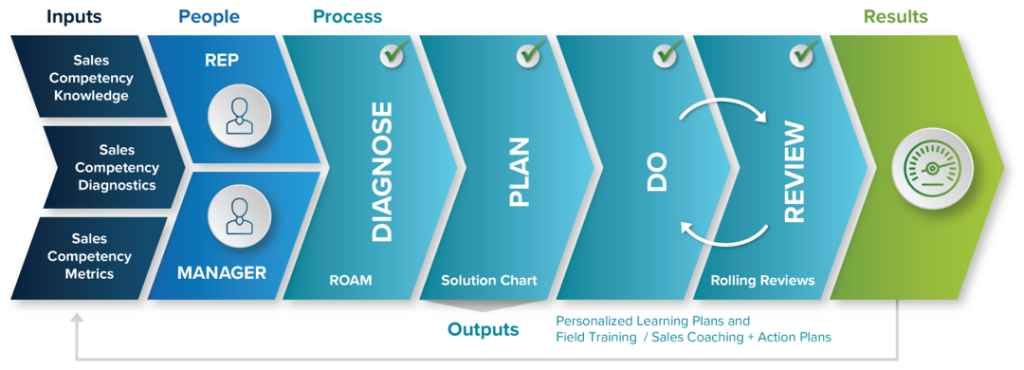
Effective sales coaching starts with choosing a methodology that aligns with your organization’s objectives and equips managers with a consistent framework, process, and models that will produce results for a sales organization.
Generic coaching models often aren’t data-driven, don’t get deep enough into root-cause analysis, don’t focus on applying the best-fit solution (like coaching, training, or feedback), and may not be focused enough on behavior change and removing excuses for non-performance.
Salespeople are like the Olympians of the corporate world, and true organizational behavior change is not for the faint of heart. Something basic may simply not have the “juice” needed to help you move the needle on the metrics that matter most.
In addition, a unified approach provides clear guidance for diagnosing challenges, setting coaching priorities, and reinforcing desired behaviors. Adopting a common coaching language ensures consistency and reduces confusion, creating a shared understanding across teams. This structured approach also simplifies the onboarding of new managers and coaches, maintaining alignment across the organization. It’s both efficient and effective. ??
Secure Top-Down Commitment for a Coaching Culture??
Long-term success requires visible, unwavering commitment from leadership. Leaders should model coaching practices, advocate for their importance, and allocate the necessary resources to sustain a coaching culture. Top-down support signals to managers and reps alike that coaching is a key part of the organizational fabric, not a passing initiative.
Leaders who actively participate in coaching initiatives help embed its value throughout the company, reducing resistance and fostering widespread buy-in.
Remove Barriers to Front-Line Sales Manager Engagement?
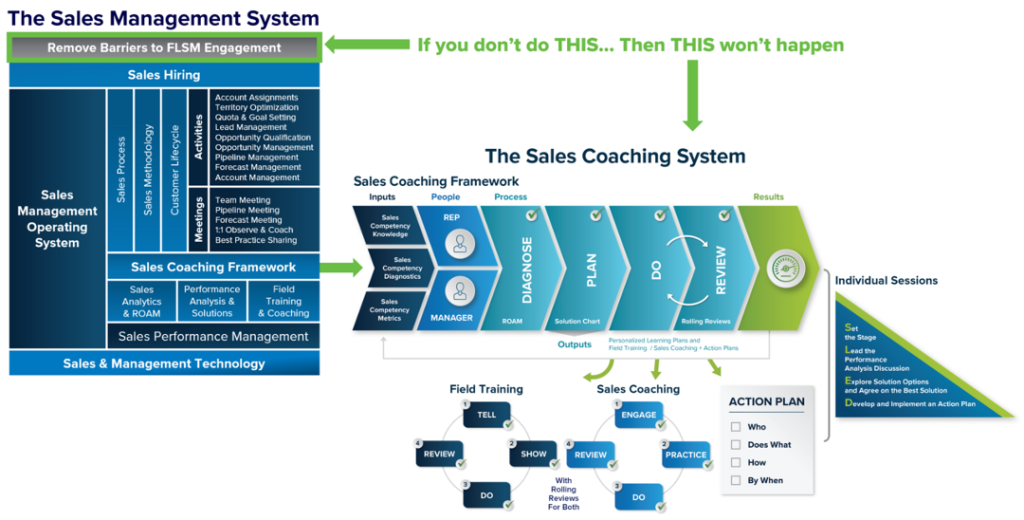
Many organizations put so much on the plates of front-line sales managers that they frequently report “not having time to coach.” If you want to create a coaching culture, you must start by removing barriers to front-line sales managers engaging with their team members.
For example:
- Streamline Administrative Tasks:?Automate and delegate routine tasks to free up time for coaching.
- Reduce Meeting Overload:?Minimize unnecessary meetings to allow more time for coaching.
- Leverage Technology for Virtual Coaching:?Use digital tools to facilitate coaching in a hybrid work environment.
The rest of the Sales Management System in the above graphic is helpful for establishing best practices and a cadence for manager activities and individual and team meetings.
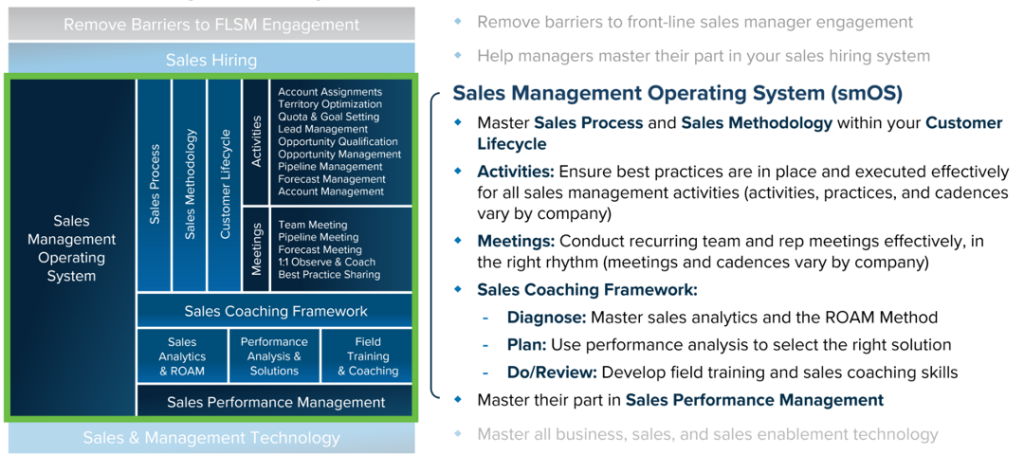
Just as a formal and unified sales process and sales methodology can help sellers improve their effectiveness, these aspects of a Sales Management System (or Sales Management Operating System) can do the same for sales managers.
Foster Psychological Safety??
High-performing teams thrive in environments of psychological safety—where members feel comfortable sharing ideas, asking questions, and owning their growth without fear of negative consequences. This fosters genuine engagement and sustainable development. When reps feel safe, they’re more open to feedback, take initiative, and see managers as supportive guides in their professional journey.
To cultivate this atmosphere, managers must foster open, nonjudgmental communication through active listening, empathy, and both directive (training) and facilitative (coaching) skills. By prioritizing trust and psychological safety, coaching becomes a collaborative process, driving deeper engagement and faster growth.
Make Practice (Role Play) Normal
In many sales organizations, role play is often dreaded and avoided. I now call it “practice,” based on advice that it evokes a less reactive response. To me, a rose by any other name is still a rose (thank you, William).
“A rose by any other name would smell as sweet.”
William Shakespeare, Romeo and Juliet
Your favorite musicians, dancers, actors, Olympians, and sports teams all practice. It’s crazy that there is such a stigma against it in the sales profession. To change this, foster psychological safety, learn to conduct and debrief practice sessions effectively, and normalize practice as part of your culture.
It works. You can thank me later.
Establish a Consistent Coaching Cadence??
Consistency is crucial when building an effective coaching culture. Managers must set regular coaching cadences—whether quarterly, biannually, or based on individual development goals—to ensure progress is tracked and reinforced. However, these cadences should remain flexible to accommodate varying levels of competency and performance gaps. For example, some salespeople may need weekly check-ins for skill development, while others may benefit from monthly touchpoints.
Cadences I Have Seen Work
- Biannually: At one company, we used SkillDirector software for competency assessments every six months. Reps self-assessed, managers provided feedback, and the system generated personalized learning plans, including reading, courses, and coaching. This structured approach ensured measurable progress and skill development.
- Quarterly: In other organizations, quarterly check-ins worked well with strong executive support, creating a more aggressive but achievable timeline.
- Individually: Some companies set a minimum coaching standard, but allowed flexibility based on skill gaps. While this approach is more realistic, it can be harder to track.
In each case, participation in the coaching cadence was mandatory, not optional. One of the most successful organizations I worked with had leadership that made coaching a non-negotiable standard, requiring certification for all managers. This commitment was essential for consistent success.
Develop Comprehensive Action Plans with Documentation??

To make coaching purposeful, action plans should be created for each sales rep. These plans should outline clear objectives, specific actions to be taken, and milestones to measure progress. Documenting coaching sessions and results allows both managers and reps to refer back to prior conversations, track improvements, and adjust strategies as needed.
Action plans also provide accountability. When coaching activities are documented and regularly reviewed by managers and senior leaders, they create a cycle of continuous improvement. This documentation ensures that coaching sessions lead to tangible, trackable outcomes, reinforcing the seriousness and focus of the effort.?
Integrate Measurement Systems and Transparent Reporting??
To track coaching success, implement systems that measure activities, frequency, and results. Transparent reporting motivates managers to stay consistent and provides insights into the effectiveness of their coaching. Metrics should include leading indicators, such as coaching session quality and rep engagement, as well as lagging indicators like performance improvements.?
This data-driven approach ensures that coaching isn’t just happening but is effective. Metrics allow leaders to identify best practices, celebrate wins, and refine coaching strategies to maximize their impact.?
Embed Coaching into Daily Workflow?
For coaching to stick, it must be woven into daily activities rather than treated as a separate task. This could include integrating coaching touchpoints into pipeline reviews, team meetings, or one-on-ones (the management Activities and team and individual Meetings that are part of the Sales Management Operating System). By embedding coaching in the regular workflow, managers can consistently reinforce skills and strategies in real time.
When coaching is part of daily operations, it becomes a norm, not an exception. This integration helps managers balance their coaching duties with their other responsibilities, reducing the perception that coaching is an “extra” task and making it a core part of their role.?
Leverage the Four Types of Sales Coaching?

Understanding and using the four types of sales coaching is crucial for achieving the best results.
- Strategic Sales Coaching: Focuses on long-term goals, like territory or account planning, aligning rep efforts with company objectives.
- Tactical Sales Coaching: Deals with immediate, deal-specific strategies to win key opportunities. While commonly used, it should be complemented by other coaching types. Many managers fall into the trap of providing only tactical coaching, often offering feedback in the form of commands—this reflects their own experience and training, perpetuating a cycle of ineffective leadership.
- Opportunistic Sales Coaching: This occurs in the moment, often sparked by observing a rep in action. Reacts to teachable moments in real-time. While often tactical, this type is highly effective when managers use it to reinforce or correct behavior on the spot.
- Developmental Sales Coaching: The most impactful yet underused, focusing on building core skills and closing competency gaps through assessments and targeted plans. This proactive, structured coaching leads to long-term improvements and should be consistently emphasized with a recurring cadence, targeting one skill at a time until it shows results.
Development Sales Coaching is a constant thread that runs until it ends, and then starts again with a new skill to target and improve. It’s an endless loop that is data-driven, structured, purposeful, and intentional.
By leveraging all four types, and emphasizing developmental coaching, managers can address immediate needs while fostering skills that support future success. One percent improvements add up over time, just like compound interest.??
Adopt Data-Driven Coaching for Precision and Effectiveness?
As already mentioned, data is a powerful ally in coaching and developmental sales coaching is data driven, leveraging data and using sales analytics to pinpoint coaching opportunities. Performance data helps managers focus their efforts on where they will have the greatest impact and facilitate structured, objective coaching discussions. Shortfalls in lagging indicators tell us where to start and leading indicators, such as conversion rates or prospecting activity, guide targeted coaching and improvement plans.
Using data enhances transparency, builds trust between managers and reps, and shifts the focus to measurable development. This approach helps reps see the value in coaching, making them feel more engaged and proactive in their progress. (They must own their development, while the managers are the guides or Sherpas.)?
Plan to Coach the Coaches??
Coaching isn’t just for sales reps—managers need it too. Just as sellers benefit from targeted feedback and guidance, managers grow more effective when they receive coaching on their own practices. Establish a framework where senior leaders or coaching specialists can observe coaching sessions, provide feedback, and guide managers toward coaching excellence.?
This ensures that coaching quality remains high and evolves as needed. When managers are coached, they become more confident and skilled, leading to better results for their teams.
Recognize and Reinforce Coaching Success??
Recognition is a powerful motivator. When coaching leads to performance improvements or significant wins, highlight these successes. This helps reinforce the behaviors that drive results and encourages other managers to follow suit.?
Publicly acknowledging coaching wins not only rewards those involved but also demonstrates the tangible value of the initiative. This can drive a ripple effect, inspiring more managers to engage deeply with coaching practices.?
Encourage Leadership to Ask About Coaching Efforts??
One often-overlooked factor in coaching adoption is the need for continuous inquiry from leadership. Like, “What gets measured gets done,” we also know that “What gets asked about gets attention and focus.” When leaders ask managers about their coaching activities, plans, and outcomes, it signals that coaching is integral to success. This reinforces its importance, making coaching a natural part of the team’s operating rhythm.?
This type of inquiry doesn’t need to be intrusive; rather, it should be supportive, with leaders demonstrating genuine interest in coaching progress and outcomes. This creates a culture where coaching is valued and prioritized at all levels.?
Closing Thoughts?
Developing a coaching culture is a strategic investment that can lead to significant returns when done right. With the right preparation, methodology, and reinforcement, coaching becomes part of the organizational DNA.?This is how you can develop a coaching culture and get into a cadence of continuous improvement.??
To learn more about implementing effective coaching practices, consider the Sales Coaching Excellence course, which is designed to equip managers with the skills and frameworks needed to excel. Learn more here.
You can read Mike’s original post here.

Previous
Next